
AI for Smarter Logistics and Transportation Operations
Use AI to optimize logistics operations, boost fleet performance, improve on-time delivery and build a more connected, cost-efficient and resilient transport network.
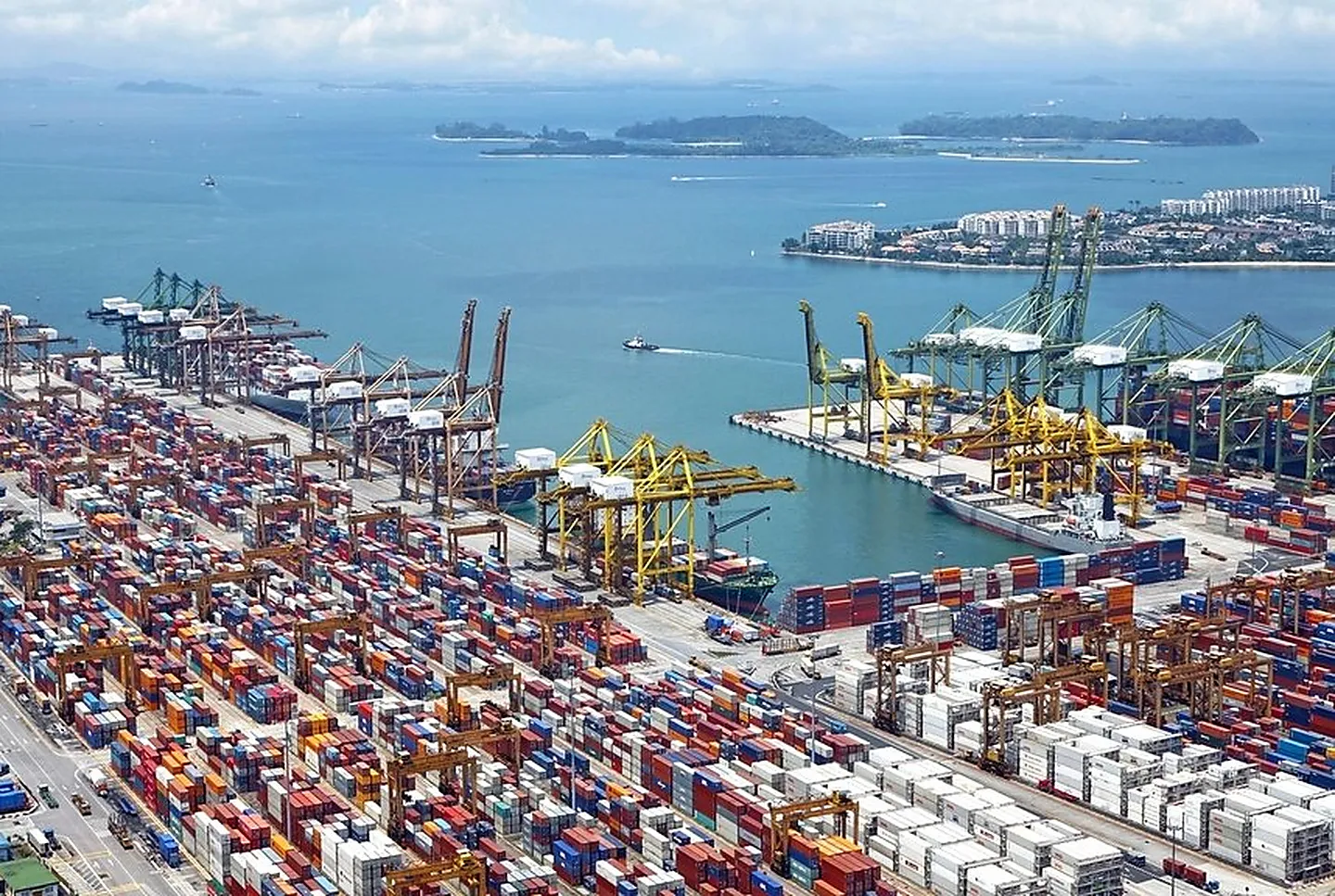
 Freight & Transportation
 Shipping & Ports
 Warehousing & Fulfillment
 Last-Mile Delivery
 Supply Chain Logistics
 Air & Cargo
 Rail & Intermodal
Transform Logistics & Transportation with AI
Help logistics and transportation organizations improve efficiency, enhance visibility, reduce costs, mitigate risks and deliver a faster, more reliable supply chain experience with AI.
 Improve On-Time Delivery
 Reduce Logistics Costs
 Enable End-to-End Visibility
 Optimize Asset Utilization
 Mitigate Operational Risks
 Lower EmissionsDrive Sustainable Growth
End-to-End AI Solutions for Logistics & Transportation
A comprehensive suite of AI services to digitize, optimize and transform logistics and transportation operations.
Route & Network Optimization
Use AI to plan optimal routes, reduce transit time and lower fuel costs.

Fleet Intelligence
Monitor vehicle performance, predict maintenance needs and improve fleet utilization.

Shipment Visibility & Tracking
Get real-time, end-to-end visibility across shipments, carriers and modes.

Demand & Capacity Planning
Forecast demand, optimize capacity and allocate resources efficiently.

Risk & Disruption Management
Detect potential disruptions, assess impact and recommend proactive actions.

Sustainability & Cost Efficiency
Optimize routes, loads and assets to reduce costs and lower environmental impact.
A Proven, Outcome-Driven Approach
 DiscoverUnderstand business goals, operations and constraints
 AssessEvaluate data, systems and AI readiness
 DesignBuild a tailored AI solution roadmap
 DeployImplement and integrate AI into logistics workflows
- OptimizeContinuously monitor, measure outcomes and drive business impact
High-Impact AI Use Cases for Logistics & Transportation
- Dynamic route planning and last-mile optimization
- Real-time shipment tracking and exception handling
- Fleet health monitoring and predictive maintenance
- Demand forecasting and capacity optimization
- Disruption detection and proactive risk management
- Load planning and network optimization
- Emission tracking and sustainability optimization
 Route OptimizationWarehouse OptimizationFleet Management
 Sustainability & EmissionsShipment Tracking
 Load & Capacity Planning
 Demand Forecasting
 Disruption Management
Delivering Measurable Business Outcomes
Higher On-Time DeliveryLower Operating CostsImproved Asset UtilizationGreater Supply Chain ResilienceReduced Carbon Emissions Better Customer Experience
Serving the Logistics & Transportation Ecosystem
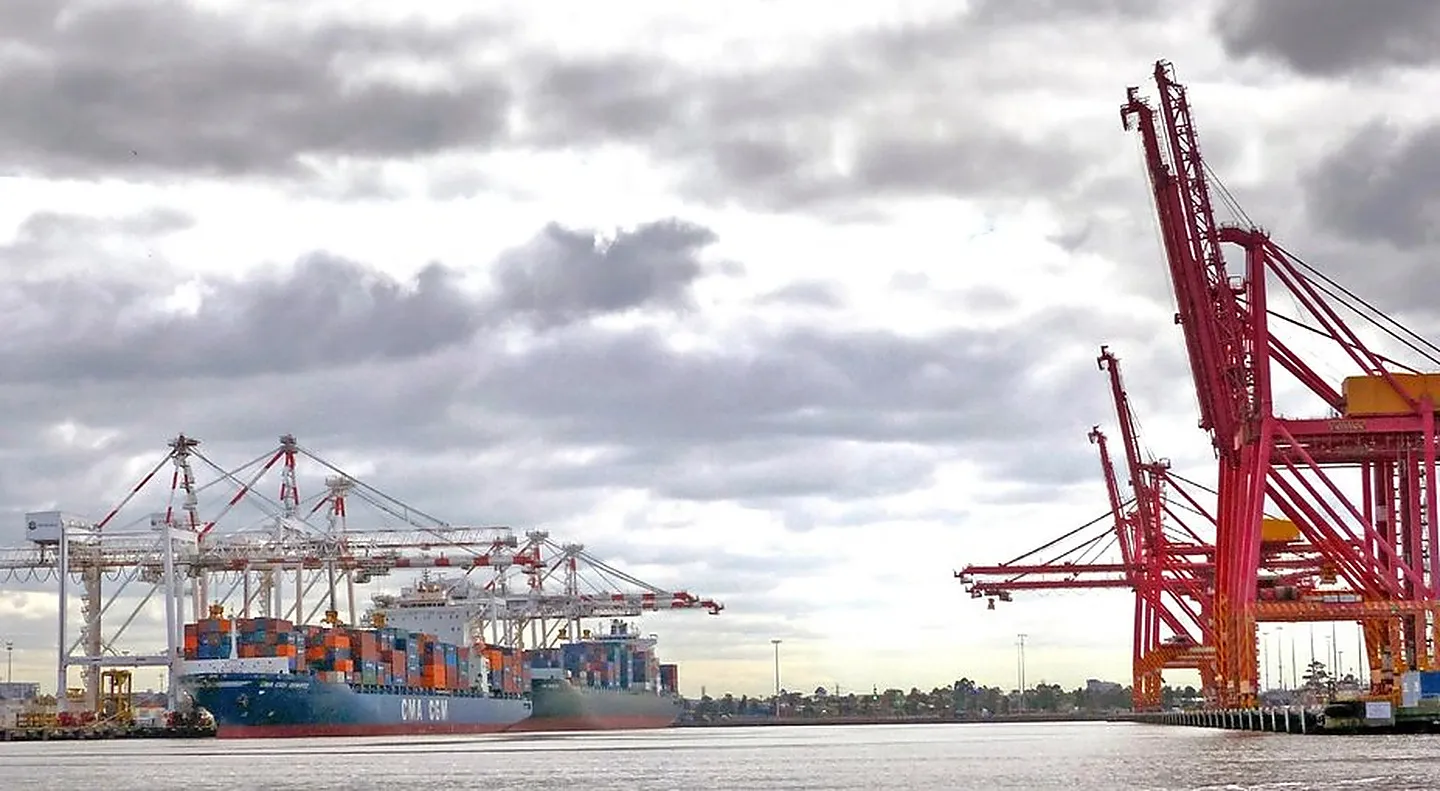
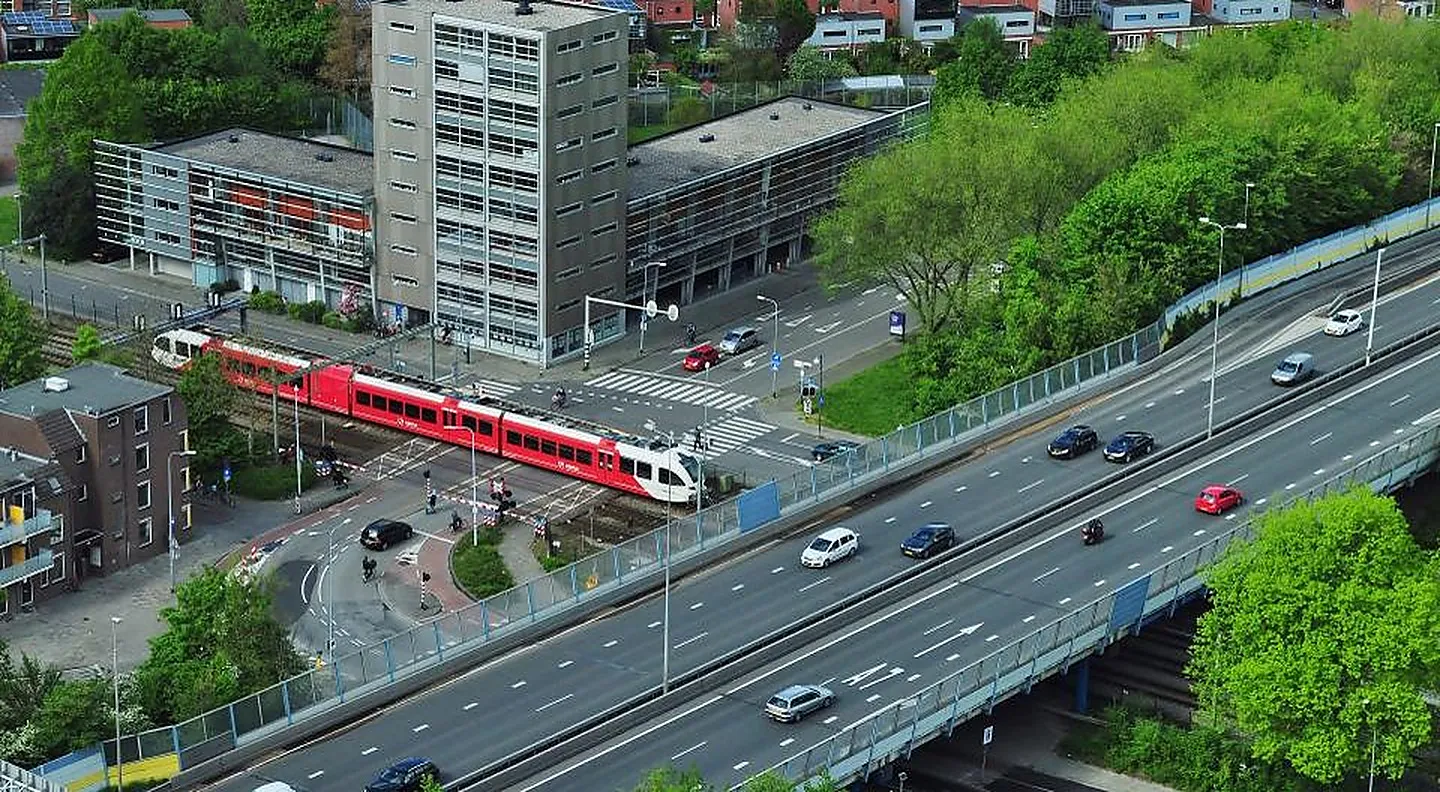
Why Choose Blue Bird Technologies?
Logistics Domain ExpertiseEnd-to-End AI SolutionsSecure & Compliant Faster Time to Value
 Proven Industry Impact
How AI Fits a Typical Logistics & Transportation Workflow
A design example showing where AI sits in the process, what it connects to and where it stops. It is not a description of a delivered project.

Data sources and integrations
- TMS and WMS
- Telematics and GPS feeds
- Carrier and partner APIs
- ERP and order management
Implementation boundaries
- Dispatchers and planners keep the final decision
- Quality depends on data completeness and latency; we assess this first
- Pilot on one lane or facility
Security considerations
- Authenticated, scoped partner APIs
- Separation of data between customers and carriers
- Audit logs for automated recommendations