
AI-Powered Supply Chains: Smarter, Faster, More Resilient
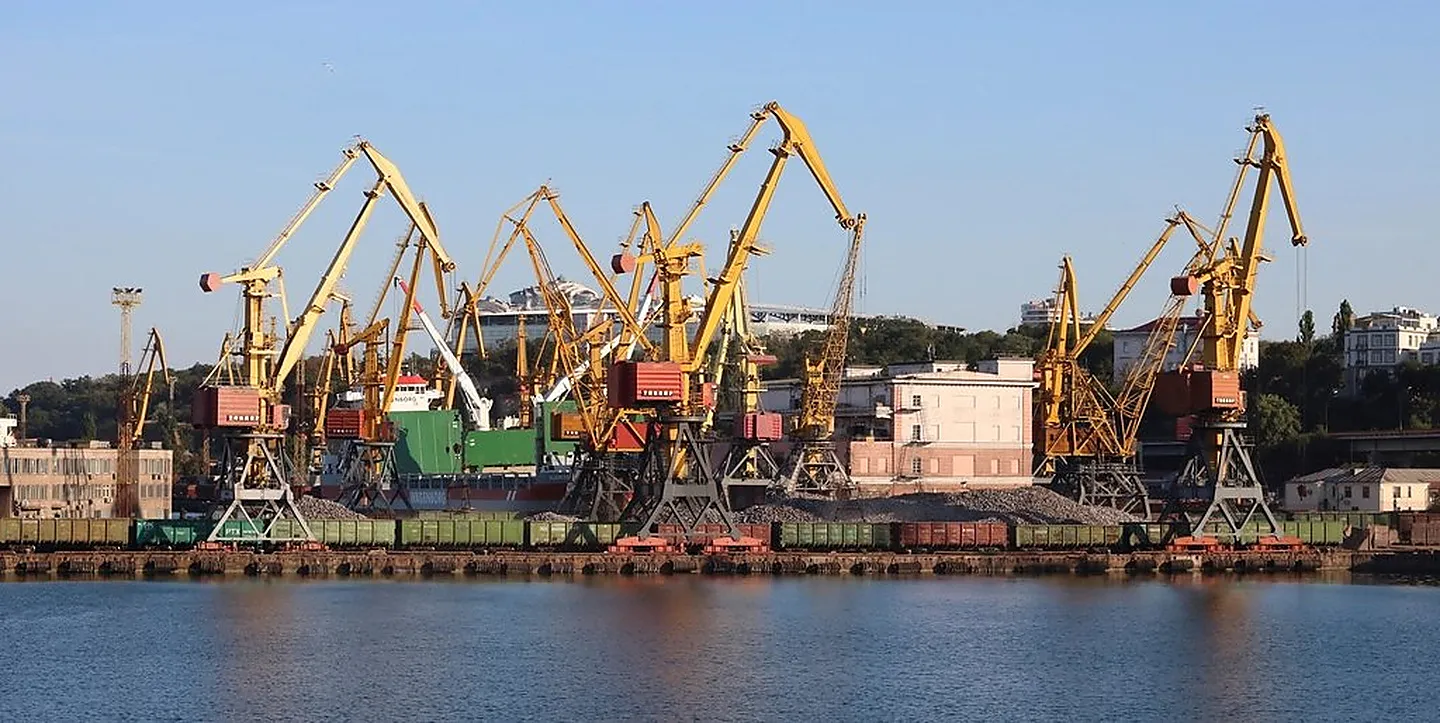
Supply chains are complex, and disruptions can spread quickly. AI in supply chain operations helps organizations see more of what is happening, anticipate problems and respond sooner, but only when it is built on connected data.
Better visibility
Data about orders, shipments and inventory is often spread across partners and systems. AI can help combine these signals and highlight exceptions, such as a delayed shipment that threatens a customer order, so teams can focus on what needs attention.
Smarter forecasting and planning
Machine learning can draw on more signals than traditional forecasting, including seasonality, promotions and external factors. Planners stay in control, using forecasts and scenarios to test options, adjust inventory and decide where to act first.
Greater resilience
Resilience depends on spotting risk early and having alternatives ready. AI can monitor for potential disruption, estimate its effect on orders, and suggest responses such as rerouting or changing suppliers. People still weigh the trade-offs, but they get to those decisions faster.
What it takes to work
Reliable master data, shared definitions and integration with ERP, warehouse and transport systems are the foundation. Without them, even a strong model produces insights nobody can act on. Clear ownership of each decision is just as important as the technology.
Where to begin
Choose a specific, measurable pain point, such as late delivery prediction for one lane or forecast accuracy for one product group. Establish a baseline, deliver a working solution and extend it. Each step adds data and integrations that make the next use case easier.